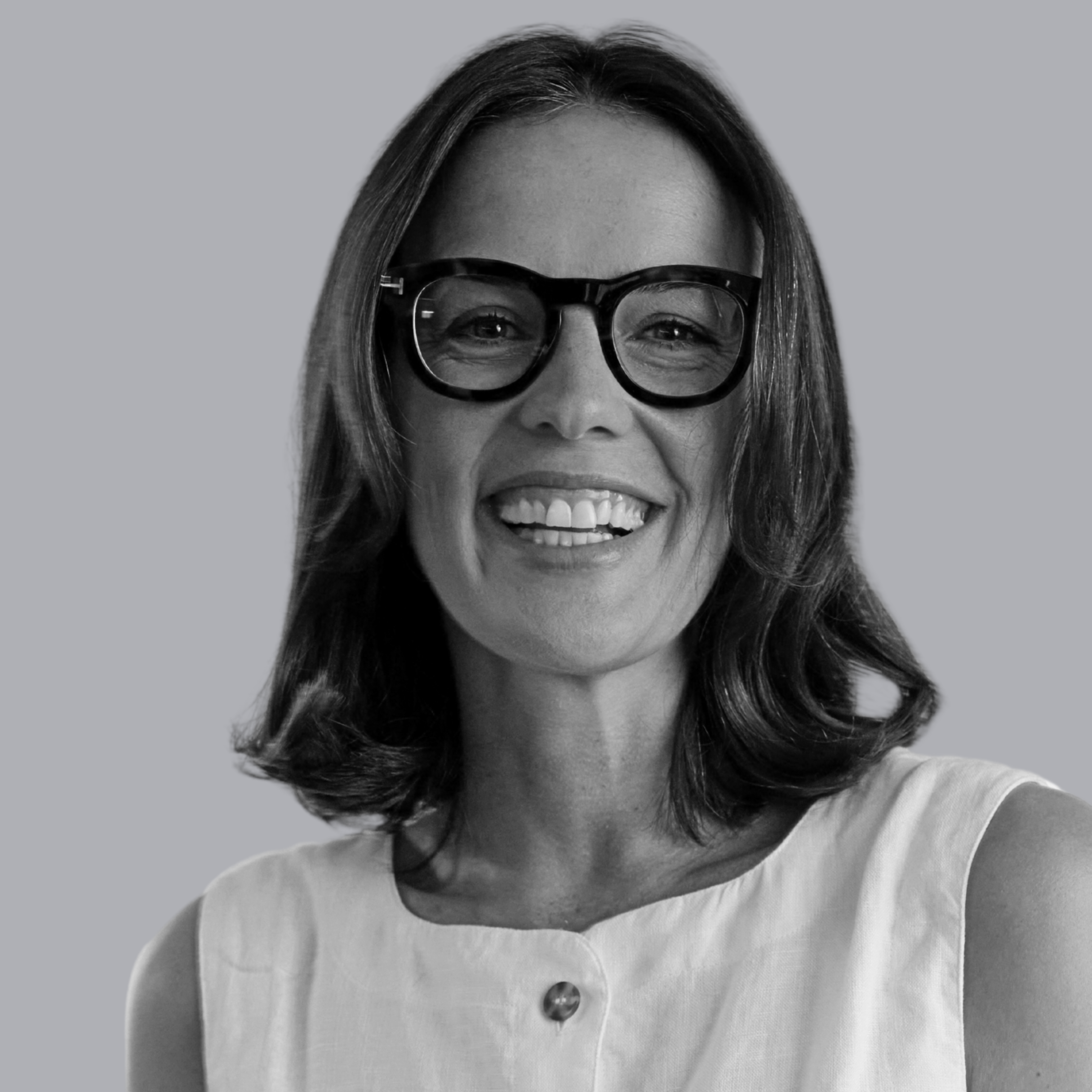
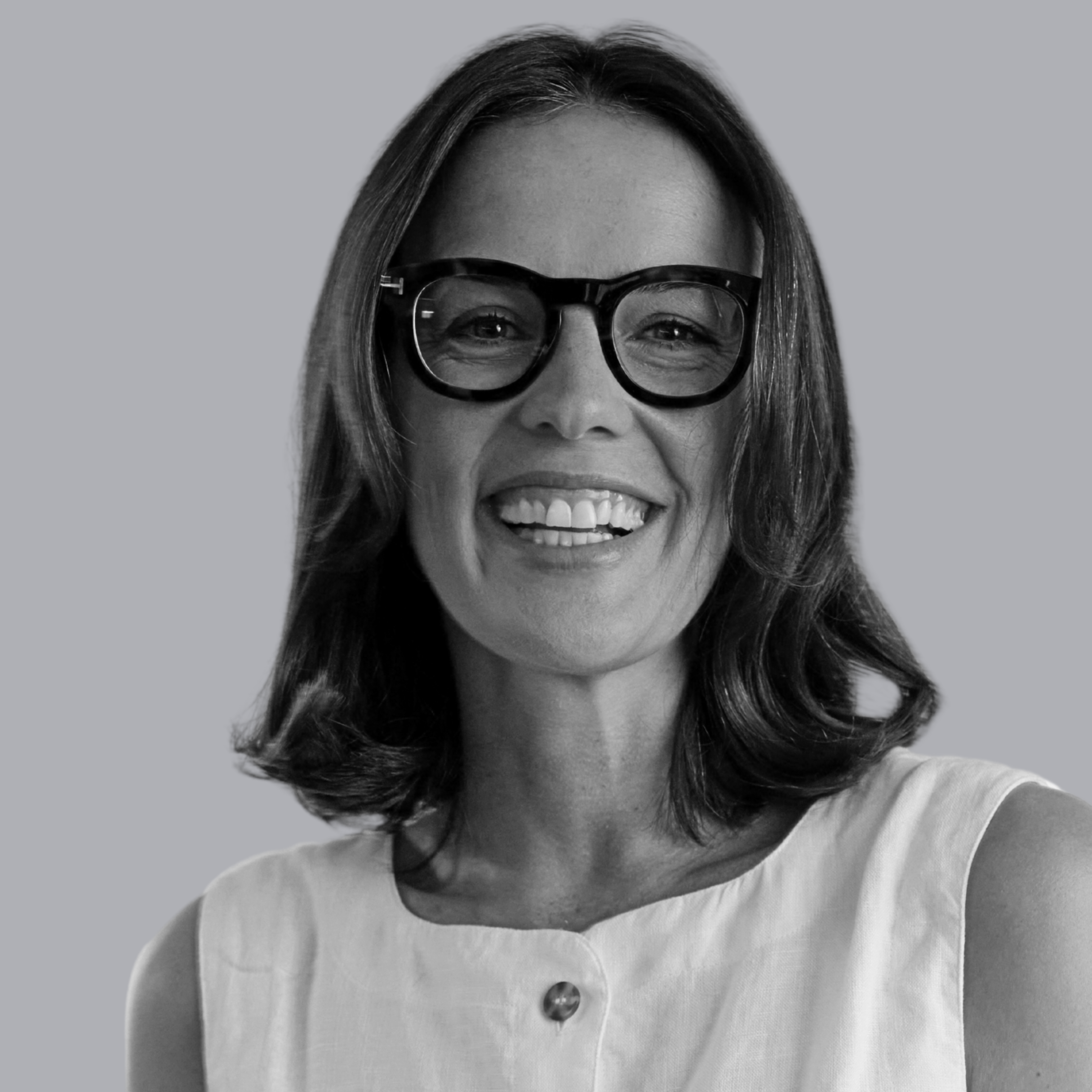
Cat van der Werff of Canva
How much freedom do you give your people?
"FEARLESS CREATIVE LEADERSHIP" PODCAST - TRANSCRIPT
Episode 288: Cat van der Werff
How much freedom do you give your people?
In this episode of Fearless Creative Leadership, Charles Day speaks with Cat van der Werff, Executive Creative Director of Canva, about the paradox at the heart of modern leadership: setting clear standards while letting go of control.
As Canva has grown from hundreds to thousands of employees, Cat’s own evolution as a leader has mirrored that scale. A self-described perfectionist, she discovered that perfection can quietly suffocate creativity — and that excellence is only possible when leaders trust others to find their own way.
They explore creativity as a human birthright, why empowering everyone to design elevates professional designers, how AI can expand imagination rather than replace it, and what it takes to build cultures rooted in trust, playfulness, and shared ownership.
This is a thoughtful, deeply human conversation about freedom, responsibility, and what it really means to unlock creative potential at scale.
—————
Charles Day (02:58):
Cat, welcome to Fearless. Thank you so much for coming on the show.
Cat van der Werff (03:02):
Thank you, Charles. It's a pleasure to be here.
Charles Day (03:05):
So when did creativity first show up in your life? When are you first conscious of creativity as a force in the world?
Cat van der Werff (03:12):
I guess I was very lucky to be born as a pretty creative child. Like I could always draw. I always remember sitting at the dining room table and like grabbing mum and dad's bottle of wine and just doing a still life drawing at the table of their wine on the table. Or I have a friend Ashley who's the longest friend I've had. He's, I met him in kindergarten and he's still a very good friend of mine today. And he said, Cat is always the one that we were drawing stick figures and she was drawing the Mona Lisa.
I think I was probably four. And I really, really wanted this pink plastic Barbie car from the shops. And my parents couldn't afford it. It was like a pink plastic Ferrari. And so my grandfather was a really amazing carpenter. And so I drew the plans for him of this Barbie car, Ferrari Barbie car. And so I did the side view and the top view and the bottom view. And it even had like all of the exhaust pipes and stuff. And my mom was always like, how did you know there was exhaust pipes under a car as a four-year-old, and I guess I just imagined it or you know, what brought that to life, and so my granddad you know I guess that was my first design brief probably but my granddad he made the car for me out of wood and and it was a red Ferrari car because red was my favorite color, and I still have it today. It's beautiful.
Charles Day (04:39):
I would imagine what a gift for you to give to him and him to give to you.
Cat van der Werff (04:43):
Yeah, yeah, yeah. It's a nice connection that we'll always have, yeah.
Charles Day (04:45):
Yeah, for sure. Were you particularly observant because that level of detail that I mean, to your mother's question, that level of detail for is pretty, it's actually that level of detail is pretty extraordinary at any age, but at four, it's, it's remarkable. Are you particularly observant? Do feel like you're like you're in connecting with the world on multiple levels?
Cat van der Werff (05:07):
Yeah, I think that I probably am a very visual person. So I would say that I definitely like experience the world visually and connect with it that way. And I've thought about where the the pipes may come from. And I kind of we grew up in like a really small town in New Zealand. And my dad used to compete in for drive rallies. And so he used to drive for drive rallies and farms and I would see jeeps rolling down hills and getting stuck in mud bogs and things like that.
So perhaps I observed it in that moment and then brought it into the design plans when I was bringing those to life.
Charles Day (05:44):
Do you still draw?
Cat van der Werff (05:47):
Not as much as I would love to. Not as much as I would love to. But I definitely think that when I do it kind of really sparks that particularly still life drawing where you're just connecting what you're seeing in the world with you know, through your mind to what your hand is doing is like a really beautiful practice. It's quite a meditative practice but I'm definitely not doing it enough at the moment as I should be.
Charles Day (06:10):
It's interesting, isn't it? I'm a natural writer, but I don't think I write enough. And I feel like I'm cheating myself, actually, on the days when I don't do that. Does that resonate for you?
Cat van der Werff (06:17):
Hmm.
Hmm.
Yeah, I think so. It's one of those things where you're like, I'll come back to drawing and painting when I retire. And I imagine this amazing life in my 60s or 70s where that's all I do. But I guess like in the job I have today, it does require so much creativity in all other forms that I definitely still fills my cup in other ways.
Charles Day (06:46):
That's an easy pattern, isn't it for it to for us to fall into to think I'll get back to it at some point. Like, actually, that was like 25, 30 40 years ago, and still hasn't happened. So—
Cat van der Werff (06:58):
Yeah, I did, I have to say I have just rekindled my love for photography. So in high school, I spent so much time in the darkroom and it was a tiny little high school in like Te Puke, which is kiwifruit country in New Zealand, but we had a dedicated darkroom, a photography teacher and I thought about that recently and I was like, wow, that was such a gift to have that. then, and then in university, I took that kind of passion there and I was studying fine arts and then I studied graphic design, but I literally spent my entire university degree in the dark room because I knew I wouldn't have it again afterwards. ⁓ And so just a couple of weeks ago, ripped out all the shelving in my laundry and I'm turning it into a home dark room because I was like, I'm going to, I'm going to bring some craft back into my life. That's not the work stuff.
Yeah.
Charles Day (07:48):
That's, I think, that's fantastic. I think when you, when you listen to that instinct and actually act on it, it's, it's empowering. I'm not sure there's a better word for it. Like you actually feel like you're taking care of yourself, I think, when you do those kinds of things.
Cat van der Werff (08:01):
Yeah, definitely. Yeah. And I have two kids and Fern, who's eight, I kind of was like, he'll never see that, like the magic of, you know, like printing films and, you know, putting them into the developer and like seeing an image kind of come to life on the paper and like understanding how light works because everything's so digital now, you know, unless I show it to him. So I'm going to, you know, we're going to spend some time in there once I've completed it.
Charles Day (08:29):
What a gift to him. What brought you into the business world? With that kind of depth of artistic expression in your life, what moved you into the business side?
Cat van der Werff (08:39):
I guess I've always been really creative and loved painting and drawing but I need a brief, like I need to solve a problem. I could never just, like I admire artists who can paint for purely conceptual reasons and know like kind of explore that whole world but I just...
That kind of doesn't motivate me. sort of don't have a self motivation. I like to be helping people and solving problems and having like this really practical side to my creativity. in school I was like equally fascinated by art history and physics and like bringing those two worlds together of the like really practical and really creative. yeah, that's why I guess during university I did switch from pure fine arts to graphic design because I just felt like had a more practical purpose in the world.
Charles Day (09:35):
Did you feel like you were giving anything up when when you made that switch or was that just where the natural magnetism drew you?
Cat van der Werff (09:43):
Yeah, I don't think so. I don't think giving anything up. Because it's all creative expression, isn't it? It's just different, you know, applied in different ways. Yeah.
Charles Day (09:53):
Yeah, for sure.
Did you always want to lead?
Cat van der Werff (10:00):
That's a good question. I've always been really independent. I've always been a goal-setter, my mum says, although I don't ever remember writing down goals, but I think I've always been quite determined about, here's a thing I want to achieve and I'm going to go and do that and figure out how to do it. And so, in terms of leadership, it's definitely something I have probably only learned in the last five years, I would say.
And it's something I really enjoyed learning into it. It's kind of like a kind of big learning journey to go from just like creating as an individual contributor or creating for yourself or kind of creating for towards a brief and almost like moving towards a space where you're far less on the tools and you're far more kind of creating through the hands of others. And that is really rewarding as well.
But I'm not sure if I ever had a moment where I was like, I'm going to be a leader. Like that's kind of like, yeah.
Charles Day (10:58):
That's it.
It's interesting because a number of people I talked on this podcast will tell me overtly, I'm not creative. know, they're comfortable in their leadership side, but they don't see themselves as creative. think in many cases, because they think of creativity as some sort of artistic expression. Clearly, anybody who's on this podcast is highly creative by almost by definition. You don't have that issue. You're super confident about your creativity, right? You're very comfortable with the fact that you're very creative.
Cat van der Werff (11:14):
Hmm. Yeah.
Charles Day (11:35):
How do you feel that reference point has influenced your leadership?
Cat van der Werff (11:41):
I think in terms of influencing my leadership…
I love doing org charts and I find this like deep creative expression in org charts which is probably a really weird thing to get joy and satisfaction out of but I think that like there is so many forms of creativity like you say and creativity comes down to problem solving and so like you kind of can take you know my team is like over a hundred people now and it's like a really big creative act to be like what is the what is the next stage this team needs to be in and how do I shape it for that next stage and you know like how do I kind of look at what we have and go it doesn't have to be this way what way could it be and how do we get to that kind of thing and so yeah I definitely think that even all chart planning is creative as an act, yeah.
Charles Day (12:40):
It ought to be, think in many companies, it isn't, it's too rigid. But I think in the kind of business that you're leading, the fact that you see all chart, create all chart, you know, development expression as a creative act, that makes total sense to me. I mean, it would, it's completely logical that that's how you would see that. And I think the fact that you have the ability to step back and say—
Cat van der Werff (12:47):
Yeah.
Charles Day (13:04):
—you know, let's just open this up from a covered intellectual standpoint, unafraid of how do I express those ideas because you have the ability to do that. That must be a real asset from a leadership standpoint to have that sort of fluidity of thought and expression.
Cat van der Werff (13:20):
Yeah, I definitely think that fluidity of thought helps. And it's something that I probably have learnt along the way for sure at Canva because it's been such a fast growing company and you sort of like have these periods and chaos constantly. Like when I first started, we were, it was eight years ago, so we 300 people and it's over 5,000 people now as a company. And so like that level of growth, was like every six months, everything that you had built would just break.
Like it just didn't work anymore at the new scale that we're so you sort of had to kind of go okay what is what you know how do we kind of move this to the place it needs to be and it's been like that sort of over and over again you go like I've got it to the place and then oh it's broken again what next yeah
Charles Day (14:07):
Are you holding onto a really clear vision about what the future looks like to allow you to have that kind of fluidity in terms of organizational design or capability delivery? I how do you, a company to your point that's growing as quickly and is so central to the kind of evolution of creative expression, what are the reference points that you use to figure out, these are now the problems we have to solve? Are you always operating in the future to some extent?
Cat van der Werff (14:34):
I think that we are very lucky to have such visionary founders and you know in particular Melanie kind of like having this vision for empowering the world to design and when she talks about that it's sort of literally literally the entire world and so we kind of have this kind of value of crazy big goals and so we you know you have that
very kind of future-facing North Star of like how do we get to a point where we're empowering every single person in the world with the tools to design and express their creativity and then it kind of like is the shining light and then we kind of set big goals along the way to get there as well. So setting big goals is kind of helpful in the process.
Charles Day (15:24):
Yeah, I think a lot of companies don't do that. They don't set goals that are big enough to actually interest really talented people. I think if your goal is literally to help every single person on the planet realize that they could be a designer if they wanted to be, that's about as big a goal as you could set.
Cat van der Werff (15:32):
Hmm.
Yeah.
Yeah, like not even a designer just, just like able to express their ideas, know, like, ⁓ like you say about, you know, leaders not feeling like they're creative because they can't paint. I feel like people don't need to feel like they are a designer with a capital D, but more just like have that feeling that they have the stuff they want to achieve and do and like ideas in their head and they can just get it out easily without like all the tools getting in the way.
And then the sense accomplishment and pride that comes with that. I think it's quite amazing to work at a company where there's so much love, you can kind of can read through social feeds and all the people who use Canva, they use the L word so much. And I have thought about that a lot about like, why does it generate so much love for people? And I do think it's that the sense of pride that people get that they, you know, are able to unlock their creative side. And perhaps they've been told all their life they're not creative or they've been told they have to study to be a lawyer or they've just like, personally, because they can't paint or don't feel like they have that kind of like creative instinct but everybody does you know everybody's born creative so it's really nice when the more people can have that feeling the better I think.
Charles Day (17:09):
I think that is such a human truth. I'm sure I've told this story on this podcast before, but I was very fortunate a decade ago now to do some work with Sir Ken Robinson, who I think delivered, I think to this day, it's either the first or second most watched Ted talk of all time. And he made exactly what you've just made, which is that we are born, born creative. And his perspective is that, or was that the education system is fundamentally designed to basically strip creativity out of kids and turn them into sort of, you know, test-taking machines instead. And one of the things that I was struck by when we did, when we worked together was I would travel around with him quite often to various parts of the world and he would get stopped constantly. I mean, there was never a time we were out where he didn't get stopped by somebody. And people would say to him, I've watched your talk and you see potentially me that nobody else sees. I mean, they were that struck by—
Cat van der Werff (18:05):
Yeah.
Charles Day (18:07):
—what he was saying to them. And I think that it's a fundamental human condition that we, many, many people, most people I suspect, feel like they're not seen. And I think to some extent feel like they don't even see themselves. I mean, it of goes back to the question I was asking before about how do you show up? How do you see yourself? Do you see yourself as an artist? Do you see yourself as a creator? And again, you're really comfortable with that, but.
But many people are not comfortable with that because they've been taught, be that way. There's something frivolous about that. So I think the mission of Canva is actually tapping into a really fundamental emotional need that most people have.
Cat van der Werff (18:48):
Yeah, I agree with that. Yeah. And it's sort of like as important as connection, right? Like as, you know, we all need connection and we all need belonging. And I think we all need, you know, the chance to be able to kind of self actualize and creativity as part of that. Yeah.
Charles Day (19:10):
Yeah, mean, Maslow's hierarchy, right, as self-actualization is the top part of the pyramid. Yeah, and I think as we get older, we become more conscious of, you know, what is it that we're actually trying to learn about ourselves in we want to be rather than what we want to have achieved? I think there's so much emphasis on achievement and not enough on personal discovery.
Cat van der Werff (19:33):
Yeah, yeah, I do think those two things do go hand in hand as well, know, achievement and personal discovery. And I think for me, there's like any connection between creativity and imagination and goal setting, because, you know, like what goal setting actually is asking you to do is to look to the future right and like kind of like imagine what could be possible and I guess it's like problem solving or or setting goals towards the right direction not just like what someone else is asking of you.
Charles Day (20:16):
Yeah, I mean, I think the creative industries have become so beholden to awards, which more and more seem to me to be, you know, one set of people telling the other set of people how great they are in an exchange, you'll tell me how great I am. And I don't know how much people really learn about themselves through that, other than, I guess, we figured out how to win an award. You know, and then you walk into companies who've won a lot of awards and you typically find them sitting in boxes.
Cat van der Werff (20:30):
Hmm.
Yeah.
Charles Day (20:43):
I think that all that effort and all that energy and all that attention suddenly ends up in the bottom of a box.
Cat van der Werff (20:43):
Yeah.
Yeah, yeah, I think, you know, that's something we've actually talked about recently with the team because we have talked about like goals for next year and is it about becoming like an award winning creative team and I actually think for me what's more important is that the creative that we make get shared because it like really connects with people and they want to take a screenshot or like, you know, pass it on to their friends or, you know, share it on their LinkedIn or whatever. But it's just like something that kind of actually resonates with people enough that they kind of want to pass it on as well. Feels like a bigger award.
Charles Day (21:35):
You said something really interesting and something I read about you, which is you said, if everyone can design, what then is the role of a designer? I thought that was a fascinating question, actually. How do you answer that? How do you answer that as a designer?
Cat van der Werff (21:50):
Mmm.
So I have a background in brand design and I spent about 15 years working agency side.
I guess like one of the biggest learnings that I had when I came brand side and started working at Canva was that like as creators we kind of often gatekeeper creativity or think we're the only ones who can be the ones to apply it. But, you know, agency side, I'd like invest all this time and love and energy into building brand systems and then hand them over to the client, you know, in PSD files or whatever. then see them out in the world kind of having suffered entropy. And it's kind of coming to Canva like the way we kind of talk about crafting brands and like empowering people to be creative in the business sense is that designers can create wherever they want but because Canva is something that everybody can access and everybody can use it's a place where you can kind of ⁓ you know set up your brand kits and set up all the templates and lock off logos if you want to and all that kind of thing and then the organization can scale it but I think why it's kind of so important and what we see with how it works at Canva is that when you empower everybody in the organization to be creative and to design, it actually frees up the design team to work on the bigger, more strategic stuff because we're not getting everybody coming to us going, hey, can you fix up my deck for me? Or, hey, can you of you know, tweak the spelling mistake for me? Or, hey, I need a re-PDF of this thing. you can just hand over the tools. you know, as we've talked about, like when you unlock the creative potential in everyone. biggest achievement of that is it elevates creativity across the board, which means you can kind of be in a room as a designer with a bunch of people who aren't designers but if everyone in the room appreciates creativity because they're in touch with it themselves then it kind of you can have a better conversation you know and you you don't have to have a conversation that's about colors and fonts you can kind of like raise the level to like to the bigger why behind things as well.
Charles Day (24:13):
That's such an empowered culture. How do you go about creating a culture that supports and encourages that kind of perspective, behavior, belief system in the people around you? I mean, obviously you've got a massive tool set at the middle that to your point, take some of the kind of the practical stuff out of it, but surrounding all of that and supporting that is a really powerful culture to encourage that. How do you go about building a culture that unlocks creativity across the board?
Cat van der Werff (24:40):
Honestly, think it definitely starts with the founders and they set values right at the very beginning and one of those values is to empower others. And so it kind of has just always been a part of the DNA of Canva. So I definitely can't take credit for building that culture. It's something that everybody joins really feels, but perhaps like particularly for my own team and kind of running a creative team of a hundred people, like how do you make sure everyone's really empowered? I guess like something that we kind of, the way we try to structure the team is like this idea of small empowered teams and so we have, while it's like 100 people total, we have everybody set up in squads where there's all the skills that they need to achieve their goals and there's like very little hierarchy or like feedback kind of loops they have to go through it's sort of like the person who's helping lead that squad is really empowered to just like go and make your things and kind of ship it out into the world and we'll learn from what the world thinks as well, you know particularly in the space of social and performance creative, it's sort of like actually just better to get stuff out there and see how the world responds and have layers of feedback in between that kind of slows it down and kind of makes it more coming from a few people's point of view versus everyone's.
Charles Day (26:13):
That requires an enormous amount of trust on your part, right? That the work is going to be of a certain standard and that you can tolerate the extremes that are inevitably gonna come out of a process like that. How do you go about creating that environment of trust? And how do you find the level of trust within you to make that possible? Because it starts with you in that situation.
Cat van der Werff (26:26):
Yes.
Yes, I feel like this has probably been my biggest journey as a leader. And I had my daughter Leela a couple of years ago, she's two now. But at that point, I was six years into Canva, very deep into Canva and building this brand. And I took six months off with her and I always find that parental leave is like actually just an incredible gift because it's not very often in your career you are able to just like pause and stop and reflect and you know like it was the same when I had my son Fern eight years ago like these kind of points where you get to just go what is next and what is know what does the future look like, and at that point with Leela I kind of came back into the team and I was like I can't, like I have to let something go because I can't continue to be, I'm a perfectionist and I kind of like wanted to be like in all the details of everything and I'm not like a helicopter leader, like I love to be in it with my team and like on the tools and in the craft.
And I definitely had to shift from being a leader that like really focused on perfection and like making sure everything was perfect to like, hey, I can't, I actually just like physically can't do this anymore. I've got a family, I've got a huge team now. And so I just have to kind of let it go. and I realized in the process that people don't do stuff the same as I do it, you know, like, and that's okay. People are going to do it differently from me. And that actually brings so much more value to the team because they have different perspectives and like different way of approaching things. And so that's been the trust building process for me is like the letting go of perfection piece. And I've kind of realized that.
Perfection is actually this very selfish thing, you know, it's kind of like you and your way of doing things Whereas you can still achieve excellence without perfection, you know, and excellence is actually a shared thing It's where you hold everyone to very high standards, but they can get there in their own way
Charles Day (28:52):
I mean, that's a remarkably self aware piece of self reflection, self analysis. I mean, I think I've never heard anybody described perfectionism as selfish, but as soon as you said it, resonates. Where did that self awareness come from? what were the conversations you were having with yourself or other people that allowed you to get to that place? I mean, I think your statement about you had to make a choice. Here's my young child. I can't do all of that and this in the way that I want to is also incredibly self-aware. And I think a lot of people don't figure out that equation that there is a finite amount of time and a finite amount of energy that we can bring to situations. I think about it as a portfolio life. Like there are things that matter to me and I'm going to focus on those. And if something else comes along that I want to do, then I'm going to decide which of the things that I'm already doing is this more important than, and if it's not, then I'm not doing it.
Where do you think the self-awareness and frankly the courage I think to be able to look at the world through that lens came from for you?
Cat van der Werff (29:58):
Maybe it comes back to what we talked about earlier about being creative and having the fluidity to just kind of think outside the box, but maybe it also comes from just like not having an ego about stuff. Like I think I've never led a team with caring about what my title is or how much I get paid or any of that. It's sort of always just been like, hey, we're in this together and we've got these big goals to achieve. Like how are going to get there? And I think particularly in the environment of Canva where it is so fast paced and like, when I started, I was the first brand designer and we didn't have a brand and I asked for the guidelines and they just gave me a logo. And so it's like really been this huge learning journey where I've like failed so many times as well. You know, like I've got brand design background. I'm not from an advertising background. I've never done like an award school or anything. And so I've had to learn how to do ads and like totally fail at that too. You know, like our first campaign was like across the US and like it aired on in New Zealand too and I was like at home in New Zealand at that time and my ad came on TV for 30 seconds and we watched it and my mum was like that was was great dear what was it about and I was just like, failed the mum test.
And like, you know, because like Canva is about empowering everyone and if my mum doesn't feel like she can design from watching this ad then it hasn't worked. And so like all of that failure that I have felt as I've like had to figure things out along this journey probably comes into that, that you just have to like let go of a lot of the selfishness and the perfection and stuff and just be like, okay, what's next? We'll figure it out. Yeah.
Charles Day (31:53):
So with a level of trust that you bring to your to your role, how do you respond when a piece of work goes out and you look at it and go, yeah, that's just so not what we're about? what's your mindset? What's your approach? What's the kind of what's the voice that you use in in response to that?
Cat van der Werff (32:09):
I actually think that maintaining brand integrity is still very important and I think we've actually learnt a lot about this year because that, that kind of level of just putting stuff out into the world is something we moved into this year because we are just as the scale we'd got to we just kind of moving so slow. And I also think with like, particularly the performance marketing and social space, you just have to get stuff out straight away. And with performance marketing, it has to be like, very diverse and very varied. And at a huge volumes kind of thing, because it's all about the algorithm, you know, picks up the best stuff and puts that forward. And so moving into this system, I think there has been a lot of learning in that where I've let go completely and it's kind of like slowly straight further and further away from the brain. So there's points where you kind of like have to kind of come back in and like help reel it back to where the edges are kind of thing. And so it's definitely not something I've figured out yet perfectly I think there's definitely times where it does go so far and we also in the social space like Lachlan Stewart he lives in London but he looks after our social creative for Europe and our international regions. And he is like a wonderful approach to that empowerment too, where he just has, you know, like really on boards his social creators at the very beginning, make sure they deeply understand the brand. And then he says, just go like you're a creator, go and go and make stuff. And if there's something that like crosses the line, he'll kind of like, Hey, can you just take that down? But generally, he doesn't have to because the people deeply understand the brand and then they're empowered to kind of like take that understanding and create with it. And I think we're probably very lucky because also Canva is just such a creative brand and I think it's important to express creativity with it in a variety of ways. know, there are obviously parts of a brand you need to keep consistent, but Canva in particular is, we have quite a like truly local approach to it where we want, you know, people in Japan, Japan or South Korea or South Africa or anywhere in the world to feel like they're at home in Canva.
And so it starts with building the product like that, where if you're in the product, everything that you see and the content and the payment systems all feel like you in your place. And then that goes all the way through to like how we do marketing and do our creative is that, you know, we have people working in local areas, bringing their ideas to life that feel right for that market.
Charles Day (35:04):
And are you looking for a certain kind of person? if you figured out these types of people tend to work better in this environment?
Cat van der Werff (35:12):
Yeah, I definitely think that really fun and playful, you know, like as a starting point, it's a fun and playful brand. because I've been with it from the beginning and helped build it, it feels like it's like sort of like very intuitive to me now. And sometimes it's a hard thing to teach that level of like sparkle and playfulness that it just like takes it over the edge to being really, really unapologetically Canva. And so finding people who already have that personality innately in them that they're quite playful humans is really helpful. But then more of the other skills would sort of be, I guess the point I made earlier about sort of not having an ego and not caring about titles and salaries so much and not being kind of like, this is the way I do things, know, like having that fluidity to kind of go, okay, cool, this is our goals now, this is where we're heading now, I can kind of shift in that direction and I'll figure it out as I go and learn. So the continual learning, learning kind of piece is important.
Charles Day (36:32):
I think it's, from my perspective, it's impossible to have a conversation with somebody who's leading a highly creative business like as you are, and certainly one that has technology at its foundation without having a conversation about artificial intelligence and its role. And I read something you said that your AI tools in Canva have been used seven billion times, probably clearly more than that now. What's your view about the relationship between AI and human creativity, as I've started to call it?
Cat van der Werff (37:00):
Yeah, I think, I think it's 22 billion now. So people like the tools. Yeah. I guess, I guess with AI, now, Canva has always been about putting the world's leading technology into the hands of everyone. And so it's something that we've kind of adopted and integrated from the beginning.
Charles Day (37:04):
22 billion. Yeah, so that article is probably like a week old, right?
Cat van der Werff (37:30):
And now the platform has kind of transformed from being this tool that empowers people to design for their kids' birthday invitations or, you know, like the things they need to do personally in their lives to, I guess, like more like a complete creative operating system.
And I think what it kind of means for us is that, you know, like AI kind of helps people unlock their ideas, you know, whether you want to visualize something that's in 3D or like something that's floating in the sky or, you know, anything that is an idea in your head that you want to visualize or write down and find the right words for.
that's kind of like what we see it as, it's sort part of the empowerment vehicle that helps people as well. And I guess something else we talk about a lot is ⁓ the power of imagination. And I think that imagination is like the greatest skill that we all have.
Everybody has access to their imaginations and it is something that AI would never be able to replace, know, like because AI is kind of, it learns from the past and it learns from what's already been done before. Whereas our imagination is about like creating all these new connections and thinking about what next and what could be as well.
Charles Day (39:05):
I think for a lot of people, AI, if you don't have confidence in your own creativity, AI is incredibly intimidating, right? Because you're absolutely right, of course, that it only builds from the past. But for many people, it looks like it's creating something new. People who don't spend that much time in their own creative space will look at stuff that AI does and think, my goodness. How do you help people find their confidence to say, there is something about you as a human being that can never be replaced by AI? I I think you're right. My view is that AI will, has the potential anyway to become the greatest empowerment of human creativity in history, because it will both inspire and encourage and open our minds to other possibilities and it will take away a lot of stuff you have to do to reach the point where you are actually being an original thinker.
But how do you help people who do not have that confidence to recognize there is something that I can bring that is even more valuable than all of this incredible technology is showing me in front of me?
Cat van der Werff (40:01):
Mm.
I think in terms of the confidence piece, you know, particularly with the tool itself, Canva, I think the way we try to apply the AI tools has the same philosophy as the design tools as well, where it is very easy to use and very unintimidating. And so hopefully there's like an encouragement to just kind of like wait in and play and try it out and see what happens. Because I think the fear in any technology or any new thing is actually not understanding it and the only way you can understand it is to kind of try it for yourself as well. I think ⁓ there's like so many you know stories throughout history of new technology that's come along and the fear that comes with that you know like when they invented locomotives apparently people were so scared that they would go so fast their skin would fall off or you know, even when the internet came about
like we all feared that we would become dumb and like lose our kind of like critical thinking and perhaps that's the the greatest threat right now with AI is the loss of critical thinking that you know like you kind of stop thinking for yourself and kind of like refer to AI to do it for you and I do think that is the part that you know worries me the most because critical thought is...
Also is an important part of the imaginative process, you know, but that's what I tried to kind of train in my team is that everybody should use the products and AI and all the different tools that you can with it and play with them and explore them and see what's possible with them. But always take it as something that you need to apply your own critical thought to and your own creation skills to and your own curation skills to to bring things to life as well.
Charles Day (42:14):
How are you teaching your kids how to use AI? You personally.
Cat van der Werff (42:21):
That's good question, I'm not yet. Because they're two and eight so they don't get technology time yet except for Canva. So guess Fern's playing in Canva a lot. He just did a...
We just did a craft project over the weekend. had to make an ocean sculpture out of rubbish so he could learn about sustainability and the environment. And then we videoed it and he made a Canva video of his creation with music and a voiceover and sound effects and that kind of thing. So he has fun with Canva, but yeah, we haven't.
We haven't kind of done that, taught the kids about AI. Have you talked to other speakers about teaching kids?
Charles Day (43:09):
No, and it strikes me that I should. I mean, I'm just so struck with the way that you see the world and yourself and that combination’s what inspired me to ask the question of you in particular, but I think it's actually a question that's important to ask other people. Australia has just banned social media for kids under 16, right?
Cat van der Werff (43:31):
Yeah.
Charles Day (43:32):
Was this the first time your son had used Canva?
Cat van der Werff (43:35):
No, I kind of was curious to see how easy Canva is to use. And so I think the first time he tried it, he was like three years old because I wanted to just see how he, was like, could a three year old like drag and drop an image onto the page kind of thing. So he didn't use much as a three year old, but I did it as an experiment just to see how easy the product was. But yeah.
Charles Day (44:02):
What was his reaction to the project over the weekend?
Cat van der Werff (44:07):
Being a really busy mum, I don't get a lot of time to do that kind of, you know, like, just like craft and creativity with him. And ⁓ it was really nice because I think like during the week I had missed his, his like school concert.
And I was like, I'm so sorry I missed it. I was feeling like a bad mum. But then we were in the middle of like crafting this like, you know, paper mache volcano and he's like, Mum, but this is fun and we're doing this together. And you're here for me now. I was like, okay, thank you. But I think like it was a kind of...
It was the only way you can learn about what your kids are into really is to like really invest the time and be present and particularly in creative acts as well. Like I didn't realize how good he was at poetry, but we wrote a poem to represent the sculpture. But I just got him to voice over on his phone. So he didn't have to think about writing at the same time as like coming up with the writing words. So he just, kind of like, you know, voiced this beautiful poem. And then we wrote it down later.
I don't know, yeah, it's good to be creative with your kids, even if you don't feel creative yourself, because different things, you know, they surprise you. Yeah, with what's in their heads.
Charles Day (45:26):
This is a big job you have, don't need to tell you that. I ask this question occasionally people, what's it like having a job with this kind of impact, this kind of scale?
Cat van der Werff (45:37):
I struggle with it a lot, to be honest, because I think, not in terms of where we're heading, I think a big part of the reason I joined Canva was for the mission of empowering the world to design and the values behind that.
And we also have a, Melanie has kind of got a step two plan where step one is to build one of the most valuable companies in the world. And step two is to transfer that wealth to doing as much good as possible in the world. And so they've kind of pledged 30 % of their, basically a lot of the part of Canva that they own to the Canva Foundation and moving that value across. And so, you know, for most of us, probably all of us at Canva, that drives everything we do because, you know, as we all kind of want to do good for the world in some way. And it's like very fortunate that I just get to turn up to work and I'm doing good for the world because I'm contributing towards that mission. But I think at a team level, it's like we, a couple of years ago, the team, my own creative team was like 60 people. And that was like really manageable for me because I could have personal relationships with everybody, and had more time to understand what each person was inspired by and what they could do and now with the team at more like 120 it's just harder to have that connection with everyone and I guess that's part of what I miss when things were smaller, from when they're bigger and how I still maintain more of a personal connection with the team and don't become kind of this faceless leader as well, you know? And I kind of felt that this year because at beginning of this year I set this goal of doing more thought leadership out in the world.
Doing podcasts like this, which I don't love doing, but it's nice talking to you. And that was all kind of in support of like, how do we help Canva, and what we're doing actually kind of reach more professional designers and creatives and start to build a reputation in that space as well. But it kind of got to the end of this year and I was like, man, I just missed my team. And so I kind of like had spent, I've spent the last month just kind of turning back inwards and like having one-on-ones with lots of people I actually haven't chatted to before to understand, you know, what they care about and what drives them. And it's just been a really nice process to kind of be back in this like team-building stage and thinking about like what the best shape of the team is for what comes next. But yeah, I definitely think it is a big job and a challenging job, but rewarding as well.
Charles Day (48:37):
That is a very hard balance, I think, to figure out the amount of external facing versus internal curatorial kind of development work. And I think it's an important kind of wrestling match for leaders to have. And it's one that I think not enough leaders have enough of the time. They tend to either gravitate towards being up and out, as I like to call it, which I think is essential, by the way. I I think when you are the most senior person in an organization, you have to spend your time up and out because only you can live out there. Everybody else has to be down and in. the balance of, OK, making sure that this team operates the way that this company needs them to and that is in the best interest of the team as well as the company is constant friction in that dynamic, isn't that? So you have to wrestle with that, I think, probably every day.
Cat van der Werff (49:24):
Yeah.
And I imagine that like many, many leaders you talk to would struggle with this as well, too. Like I find the outward external facing stuff so like challenging because it's like you kind of, I always feel like imposter syndrome, you know, just kind of like being the kind of face of this team and this company, which I'm proud to do, but it's always like, I don't know, it's like a weird thing, dichotomy that happens inside.
Charles Day (49:58):
Well, and I think particularly when your natural instinct is to present yourself to the world through art, which that's how you grew up, mean, drawing, photography, I mean, that was the lens which you said, here's who I am, look at this work and then you, right? So you don't have to look at me, look at that. There's a different dynamic when you are quite deliberately having to say to people, no, no, look at me and this is what I believe and this is why this is important for you to hear it.
Cat van der Werff (50:05):
Hmm. Yeah.
Charles Day (50:27):
I mean, that's a big chasm for most people to cross, I think. It doesn't come very naturally.
Cat van der Werff (50:30):
Yeah.
Charles Day (50:34):
Last question for you, actually two last questions for you. The first is, if you were to roll the clock back and talk to yourself at 20 years old, what would you tell that version of yourself that you know now?
Cat van der Werff (50:50):
Just probably tell her to just have fun. I turned 40 earlier this year and my husband made me this beautiful video where he just had all my friends and family share something that they admire about me you know and and I think they're like…
It was so lovely to kind of watch that because I think often like the best advice you can get is like closest to home, but we don't ask that and we don't get that kind of mirror to ourselves of the way other people see us.
And it was just like, you know, one of my friends Genevieve said, you just have this hunger for fun. And I was like, yeah, I actually do, but I don't bring it out and work enough because I'm sort of like, I'm also a very deep thinker. And so when I'm solving problems, I kind of go inward and like stuff gets serious when you go inward ⁓ too much kind of thing, you know? And I kind of like take my role seriously sometimes. And so it's just like, just actually, it should all be fun, right? And it actually connects back to creativity because I think if you are having fun, then you're always going to be more creative because you're relaxed and you're enjoying it. And ⁓ versus if you're kind of like putting all this pressure on yourself to achieve these things and get these things done, it's never going to blossom the same amount of, yeah, fun.
Charles Day (52:19):
And last question for you, as you look at the future, what are you hopeful for?
Cat van der Werff (52:24):
I am hopeful for something that we've been sort of discussing with Melanie is this idea of the imagination era. And I think that we've like, you know, we've talked about AI today and we've been incredible at building all these tools, these very powerful tools to help us have access to information. But I think that we have all that now and what I am hopeful for is that what we can turn towards to is, now that we have all this technology, what can we actually do with it that is for the collective good of humanity and how can we kind of like, imagine a better world and a world that is better for our communities and ourselves and yeah, that's a big hope. But I think we all have to remain hopeful for that, right?
Charles Day (53:21):
I really want to thank you for coming on the show. You are such a vivid example of what happens when people who are comfortable with their own artistic creativity, want of a better description, are able and encouraged to bring that into the leadership side of the world. And I think an enormous benefit to Canberra, and I'm sure to the people that work for you, that you have that facility. And that, think, coupled with your self-awareness, just make you a remarkable leader. So thank you so much for coming on and sharing so openly that they can.
Cat van der Werff (53:51):
Thank you, Charles. It's been lovely to chat.
—————
If you'd like to know more about our work with the leaders of highly creative and innovative businesses, go to fearlesscreativeleadership.com. There, you'll also find the audio and the transcript of every episode. Or, go to our YouTube channel for the video of our most recent conversations.
Fearless is produced by Podshop. Sarah Pardoe is the show's producer and handles all guest inquiries. You can reach her at sarah@fearlesscreativeleadership.com.
And thanks for listening.