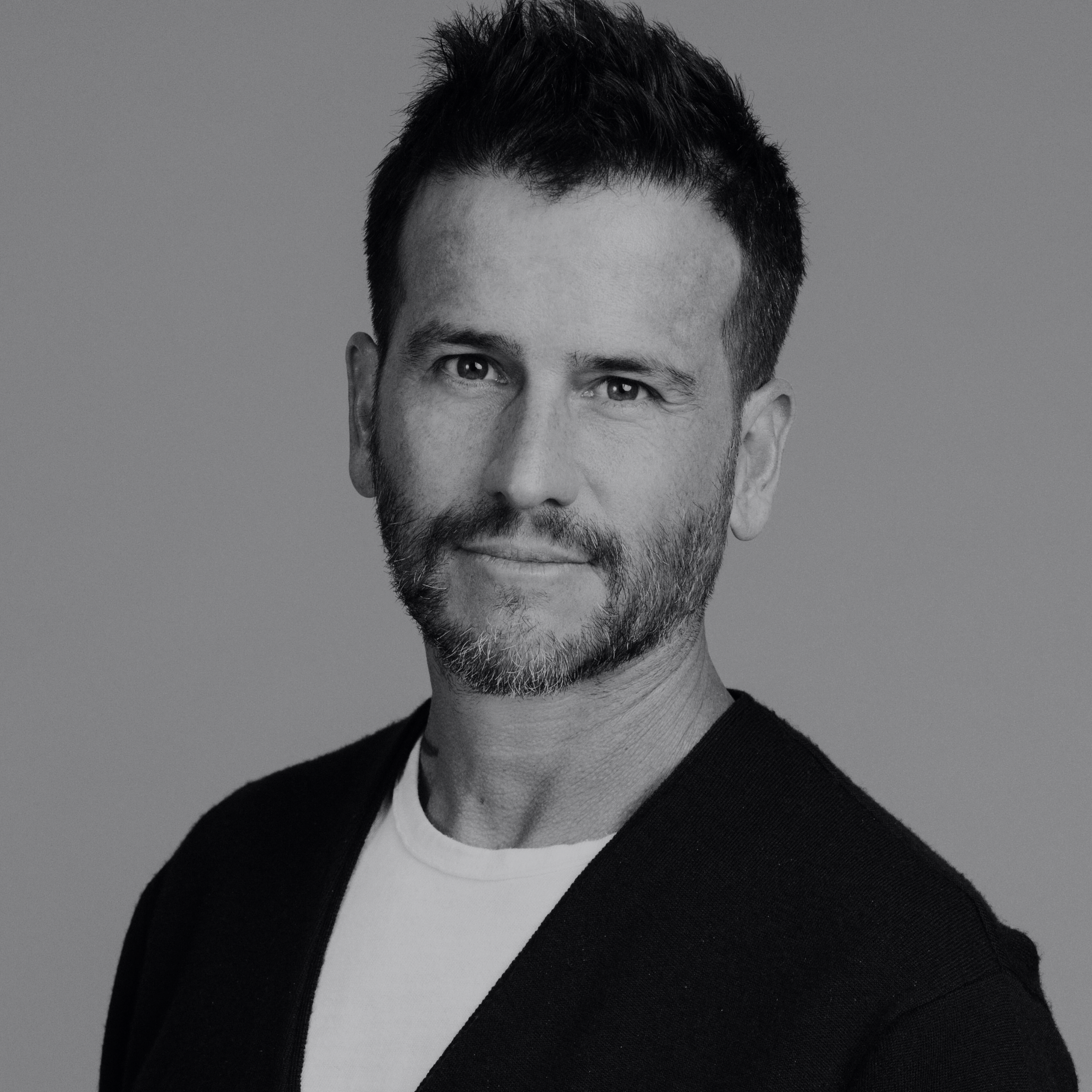
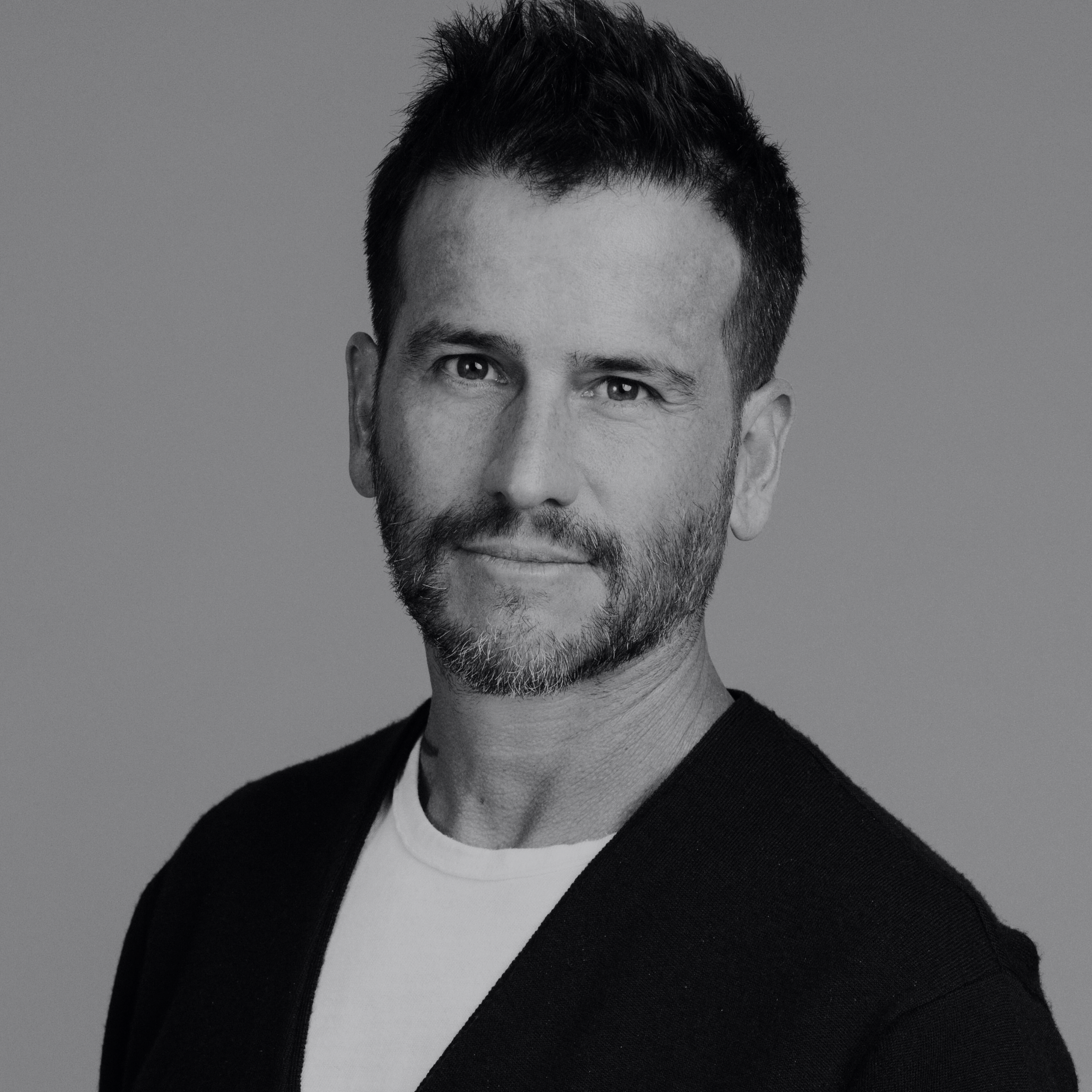
Andrés Ordóñez of McCann
What impact are you having?
"FEARLESS CREATIVE LEADERSHIP" PODCAST - TRANSCRIPT
Episode 286: Andrés Ordóñez
What impact are you having?
In this episode of Fearless Creative Leadership, Charles Day speaks with Andrés Ordóñez, newly appointed Global Chief Creative Officer of McCann. When this conversation was recorded, Andrés didn’t yet know his future — which makes this a rare portrait of a leader reflecting not on a title, but on who he is.
Across a deeply personal conversation, Andrés describes the forces that shaped him: a childhood surrounded by creativity, a mother whose illness forged his sense of responsibility, and a career built on connection, curiosity, and generosity. He talks about leading with humanity, navigating the upheaval of AI, and the responsibility that comes with carrying the torch for thousands of people across a global organization.
This is a conversation about impact — the kind you have on work, on people, and on the world.
—————
Charles:
Andres, welcome to Fearless. Thank you so much for coming on the show.
Andrés Ordóñez:
Thank you, Charles. Great to be here.
Charles:
When did creativity first show up in your life? When are you first conscious of creativity as a force in the world?
Andrés Ordóñez:
Oh, my mom's belly. I think I would say. My dad used to– yeah, pre-birth, I think. My dad met my mother and they were advertising guy on a little shop in Colombia, and my mother was a model and they used to race motorcycles and that's how they met. But I feel like it was just since the beginning it was like, all right, here's a little seed that it might influence your life. And I think that's where it all started.
Charles:
They raced motorcycles?
Andrés Ordóñez:
They used to race motorcycles. My dad used to race speed bikes and my mom, motocross.
Charles:
Wow. Do, are you into motorbikes?
Andrés Ordóñez:
I love bikes. But I crash a few times (laugh) and I have two daughters, (laugh), pretty much, and I think that's when we said, all right, maybe easy, easy on the bikes, but love them.
Charles:
What was your childhood like?
Andrés Ordóñez:
My childhood was a lot of speed. There was a lot of motorcycles, cars and all that in between, a lot of advertising. I was the kid that I will go after school instead of going home, I will go to my dad's office and spend the afternoon there waiting for him to go through his day of, like, any parent in advertising and, and was exposed to one show, books and Clios and things. I was growing up and so I was always surrounded by some type of advertising.
Charles:
Were you close to your father?
Andrés Ordóñez:
Yeah, I think so. I, we were very close and actually I went, I lived with him through three marriages, so I was pretty close to him.
Charles:
Where was your, where was your mother in terms of–
Andrés Ordóñez:
So when they, they, when they got divorced, my mother left, went back to the US and she went to Miami. And after I finished school, I went to live with her and that's when I got to the States.
Charles:
So you made the choice to live with your mother?
Andrés Ordóñez:
Yeah, I always wanted to, I was her only son and we had a great, great relationship. So moved to be with her and she was actually the one that said, this is what you love. Go for it.
Charles:
What did you, how did you express yourself growing up?
Andrés Ordóñez:
I think I was very, I was always building stuff. I was always building stuff. I was always trying to find solutions on things. Like, it was funny because now that I think about it, my father will be briefing people and I'll be on the side like, oh, we'll do this and this and this. I mean, whatever that was. But I was always trying to figure out what he was trying to tell to his creative teams and everyone. So there was a little bit always of that. And then, very organized. I'm still very organized, I think. And I think like when I put it all together, I think it gave me a little bit of why I got so much into art direction and the things that I love so much.
Charles:
Why did you choose your mother to go live with?
Andrés Ordóñez:
She's the best? No, but, uh, we, I always say that she's, she was my life partner in many, many ways. We were like, we, as weird as it sounds or as incredible as it sounds, we only had one fight over our entire life, that I remember of, at least. And, I was confident it was everything for me. So it was not never an even an option. It was more about finishing school and she wanted me to finish school in Colombia and then after that, just being next to her. So it was never a choice. It was always just the way it should be in my mind, at least in my heart.
Charles:
What was the fight about?
Andrés Ordóñez:
The fight was over a dinner I didn't want to eat (laugh). It was weird (laugh). And then she said, she was like, you need to be thankful about that we have dinner. And I was like, yeah, but, and I started complaining and it was not, did not go well, but I think, I learned to appreciate things out of that one fight, you know, in many, many ways. And, but it was the only one. We never fought about anything. We never had an argument. She will always give me options. She will always say, she'll never have a, do this or do that. She'll give me her perspective on life and tell me, if I were you, I would do this, but also I could see this or that, and I would make the choice. So I think that helped us also navigate life together in many, many ways. So I would go with her with things that I find, like, I don’t know how I told this to my mother, kind of moment, but we had that trust and that relationship to always tell each other everything and go, keep going at life. We were, we supported every each other until she left.
Charles:
She got sick, right?
Andrés Ordóñez:
Yeah, she got cancer, so, eh, she got cancer for many, many years. It was one of those that I said, she's going to last a year and she lasted 15. So every year it was a blessing, right? So when she, I think one of the reasons that I believe I worked the work ethic that I have is because the minute that she got sick, it was the day that I said, Mom, you don't work. You don't work. I work. And I was very, very young and she never worked a day again and I was able to take care of her until the last day. And I think that gave me a structure and things. And I always ask her, why, why you? And she said, well, God knows who he gives, who can take it. And I think we were ready to take on some something as big as he was.
Charles:
How old were you when that transition happened?
Andrés Ordóñez:
I was 18, more or less, 19, and was able to graduate and go and get started my first job. And I was out of, out of school and I started working my, my job and other, you know, other things. And being able to support her.
Charles:
How did, how did the responsibility of that affect you?
Andrés Ordóñez:
It never affect me. I mean, it, the, the only part that affected me is that she was going through cancer, but fighting for her to live well until the last day, it was actually amazing. Being able to let her, give her whatever she needed. It was the, it was a blessing more than being something that will be hard for me. It was never that, seeing her happy on every day was my, my goal, in many sense. Like, she will be happy for me, for doing great at work, doing great in life, doing great in many, many things. But for me, it was seeing her happy every day. And I think those two things combined, it was, it was really nice.
Charles:
So from the age of, what, 18 till your early thirties, your focus from a career standpoint was, I have to take care of my mother first. That's, that's going to be my primary focus.
Andrés Ordóñez:
Both. I think I was, I always, I was able to, she gave me the opportunity to study what I love and doing what I love gave me the opportunity to take care of her. So both, it was an and.
Charles:
So interesting. Did you always want to lead as you were building your career? Did you always want to lead?
Andrés Ordóñez:
I always wanted to… Lead is such a weird word for me because sometimes when I hear the word ‘lead’ is like, you're the boss and you tell them what to do. Versus, I always wanted to connect people and have a great outcome together so that I love. Being able to connect, bring people together, having a common goal and go for it. So the focus is on the work and doing great things, and the output is the rest. So we can call it lead, but for me it's like, how do you bring all these energies and people together to, for a great outcome.
Charles:
And what was it about creativity that drew you to that as a career choice? I mean, you could have done so many different things. Why was, why was being around the creative world so important to you?
Andrés Ordóñez:
It could have been anything, honestly, but I just feel that I was lucky enough to, to have done something that I really, really like. I think, I don’t know if every job is the same, but if everyone is having fun and enjoying and loving what they're doing, they're after that same thing. It's just, it works. It's incredible. Like, it's not only the talent, but of the energy that goes into the room. And so in the case of, of this, it’s creativity, it's a beautiful thing. So when you have the right people that run mindset and everyone with the loving what they're going to do, it's just, it just, it's an, it's incredible what it comes out of it. So I don’t know if it's just the career itself, it's more having the people that they, they love the same way and have the same passion for what they do.
Charles:
But creativity has always been central to you.
Andrés Ordóñez:
Yeah. Always, always.
Charles:
How do you, how do you define creativity? A lot of people have different ways of thinking about it over the course of your life. How do you now define creativity?
Andrés Ordóñez:
I think creativity, it's a spark. I think we as humans, we have those moments of spark that we, we come up with something that it's, it's magical, you know, like I think, any problem that you solve has creativity onto it. Anything that you do in life and you, you put some creativity, it changes. But creativity comes as a form of, of spark inside yourself. Literally before coming here, I was in a meeting where we, we were just starting and someone did a little drawing and it was the spark, it was, the creativity was just right there in a little sketch. And we were like, this is it. And it's just sparks out there that then when they hit you on the gut and you feel it, it’s just pure creativity hitting about to go and solve a problem, which is kind of how I feel it.
Charles:
What is it about creativity that is so critical to modern businesses, do you think? Like, what we talk about it a lot, right? People use the phrase all the time without, I think often really understanding what it, what they're really describing. What is it about creativity that is so valuable to a modern business?
Andrés Ordóñez:
Well, I think that everything, we live in a world of sameness more and more and more and more. I actually believe that even technology is making it even worse. So, and in that world of sameness, if it was a color, it would be gray. Creativity brings the bright side of, that'll turn it into a color. So I think that's the, the way I've seen it, like I see it on a business, a business can be flat, creativity can make it good. A, a light of growth and a light to put them outside a category, make it feel different and everything. So I think we are, that spark into, that brings change and growth and everything on everything that we do or we touch.
Charles:
As, as AI becomes a bigger and bigger factor. And I know that you personally are really interested in, intrigued by, invested in the potential of AI. What's the future of human creativity look like, do you think? Where, where do human beings sit in the creativity continuum?
Andrés Ordóñez:
That's amazing. I think, you know me, I think creativity's going to put on a really hard test about everything, because I always say AI can create against everything he knows. Our job as creators is to create the unknown, to find something that hasn't been done. So yes, we're going to put to the test, but I think it's great. I, I think what it has bring, brought us is more tools and more of everything to, to put on a beautiful way our idea into, to sell it, it makes it a lot easier to sell our ideas. So I think it's just, we're in a beautiful moment to, to sell the work. I think it's… AI has given us time back to put more time onto creativity, and then AI help us as a tool, or as a partner, to put it into paper or whatever it is into, in front of our clients to make it easier to sell.
Charles:
You use the words ‘tool’ and ‘partner’. How do you see it? How do you relate to it?
Andrés Ordóñez:
I think sometimes it's a partner. I, I think sometimes it's a tool. I don't think it, it has, it's incredible because I, I, I hear it in so many ways and I use it in so many ways. Sometimes it's a partner when you're, when I'm trying English as a second language, it's my partner. I'm like, I'm trying to say this like, well, here's what you're trying to say. I don't know if you've ever done this test, play with ChatGPT where he says, roast me and don't hold back. And it's incredible. They know you so well, but it's true. Like, and that's a partner telling you, this is how much I know you, and it's scary. But at the same time, it has helped me sometimes define concepts or find an email or a thing I want to communicate to teams somewhere, finding words and things like that. And that is a partner, in many ways. As a tool, when I'm trying, when we're trying to sell things to make it a little bit easier for someone that might be very rational, it's a great tool. So again, each one has a different way of using it. And we all use AI in so many different ways. So it can't, I don't think it can be defined just one way.
Charles:
Do you trust it?
Andrés Ordóñez:
That's a good question. I don't know if I trust, I don’t know if there's a trust. It's more, I see it more as a machine than a person that I trust. I, I don't, I don't think I can trust everything that it comes back because there's, as we know, it's supposed to please you in so many ways, which is crazy. Or every time you write to, to one of these systems, you're like, that's a great idea. Like, oh my gosh, thank you. But no.
Charles:
So where do you see the relationship between human beings and artificial intelligence evolving to over the next, even two years? What do you think will be different two years from now if we're having this conversation, then how, how will we be talking about AI in a couple of years?
Andrés Ordóñez:
I don't think we, we will see what it's going to be capable of doing. And I think what we're going to be talking about more and more is what we have done with it. I think we’ve got to learn to be ahead of the curve instead of just duplicating and doing the, using the same prompt that everyone's using. So I think, I don't know if there's an end to talk about it, but it's more like we are going to live in a constant, like the what's next and what's next and what's next. So I think our key as humans is to stay curious. Curiosity is the way forward more than anything, and not being afraid of the tools or the AI in general.
Charles:
What kind of changes do you think it was going to bring to the advertising marketing industry? Because obviously the business has been built on selling human, the human being’s time by the hour, essentially. To your point, AI kind of takes a whole bunch of that away and says, yeah, thanks, I'll take care of that for you. So the… suggests that the business model that we've been operating under for a long time doesn't work anymore. What do you, what do you think the future looks like?
Andrés Ordóñez:
The one, the thing that I keep saying is, let's make sure that by understand… the fact that the machine can do things so fast and efficient, that doesn't mean that creativity has to suffer. If we can use the time that is, has helped us to be more efficient, to put more time into the ideas or into analyzing the problem and things like that, I think the outcomes are going to be bigger. I think we used to spend way too much time in producing a piece or, or are directing something or like the little details on, or just to sell an idea on storyboards and everything. I think the machine now is, like, helping us with all that. And I hope I can, we can keep that time in our side to think harder, go deeper, and bring better solution to our clients.
Charles:
Does having it around change the nature of the kind of people you think work best inside a creative business? Are you looking for different kinds of people now? Or is it a question of helping people to kind of re-understand who they are and what they can bring to the table?
Andrés Ordóñez:
I think, I think the people, the people are the same. I think, like I said before, I think it's a matter of being surrounded people that are in a constant curiosity mode, because I think the tools are going to, you’ve got to stay curious with what you can do with it. But at, for adver–for creativity, you need to be curious about anything and everything.
Charles:
What, what, ultimately what makes us different from the machines, if you can extrapolate out where, where AI can go, where it seems or most inevitable these days, it will go, what, what's the difference between us and a machine at the end of the day?
Andrés Ordóñez:
We get goosebumps. They don't. And I do think that's the difference. We feel things in a way that the machine can't. They understand if we tell them how I feel. They can under–but it's an understanding versus feeling it. And I think that is going to be the difference. We, there's something that always will tell us, well, I did not see that coming and then and feel it. And that's, that's kind of that like every time we look at working, like, what does it make me feel? And that's, I don't know if the machine can ever do that.
Charles:
To your point earlier, the, the whole idea of leadership is evolving. I mean, this conversation was unimaginable three or four years ago, maybe even two years ago. The, the notion, you'd have to figure out how to navigate the development of human beings in the context of what machines can do and what humans can do was, I mean, the stuff of science fiction films, but not of reality. As you, as you observe yourself and the evolution of your own leadership, how, how are you changing to meet this change in circumstance, to meet this change in relationship?
Andrés Ordóñez:
I think I have to be the first one to be more, the most curious about it and the one that plays with it. People joke about how much I play with AI these days, it since the beginning, honestly, where first, all, all these years. But I think if we're not the first ones, leadership is not about dictating, leadership is about setting the example. And I think when they see you, that you're in a constant curiosity looking for things, getting to meet people, bringing people around that can teach us more about it and everything. We have to be the first one, because it's easy to tell everyone, go and learn about it this, learn about this other tool, do this, do that, versus being more of the one who does it first. And I think that, that is, that has shifted. We, we, it's not about being on stage, it's about being with your teams and everyone and, and a constant learning together.
Charles:
I've always believed that every act of creativity requires an emotional leap of faith. So creating an environment in which that exploration is a positive thing where, where it's not coming from a place where you feel threatened, where, where people aren't intimidated by, if this thing gets better, I lose my job. How do you, how do you adapt today? How do you provide that kind of environment? How do you create that kind of culture today?
Andrés Ordóñez:
I'm a little bit back. I've been doing the system with, with our different agencies and everyone. We're back to a lot of the analog side of things. The, the, the beginning of a brief, the beginning of working together is very analog, about human connection, getting to know each other, getting, pushing ourselves, getting to a place that then we can put into the system or into the machine or whatever we want to call it. So I think that's the way in, about being human, being connected and getting to that place versus being siloed with a machine trying to get somewhere. It doesn't get to the same place. So connectivity, I think it's, human connectivity is everything. It's a great work for great work and great ideas.
Charles:
Is that, is that about casting the right kind of people?
Andrés Ordóñez:
Always. You can always say you can, there's people that can be incredible, they can have incredible portfolios and amazing in many things, but if the energy doesn't click, it doesn't click. And sometimes you might feel, see, meet someone that you never thought about, but they share and a kind of, I don’t know how to call it, energy is the best way to put it. And when they put it, you put them together, the output is incredible. So I've seen it both ways. So casting the, casting the right team per problem that we have to solve, it's key.
Charles:
And that's, and that's a very dynamic process for you, isn't it? I mean, you're constantly reevaluating depending on the circumstance or the situation or the project or the brief, who are the right people. I mean, I've witnessed that in you over the months and years that we've known each other. You, you, you're very much about creating a collaborative environment and recognizing that that means different things in different circumstances.
Andrés Ordóñez:
Yeah, I think it starts by getting to know the people. I have a great influence in my life that also passed out because of cancer. And he always said to me, when, when someone at work has a problem at home, they're at 1%. When everything's good at home, you have them at a thousand percent. That means you get to know them very, very well. And I try to meet everyone on a very good, on a human level, and we share, and there's, we share about each other's life and everything. And you create a very different connection. And I think when you're going through this process and getting to know everyone, when any problem or any brief that comes your way, you know exactly who to cast for it. You know that you are casting because of obviously creative talent or background or anything. Because the, if the, if, if you have someone that has more relation to that problem, that it feels related, the solutions are stronger. So we, we try to look for that kind of people, like, who's the right group for this thing that we're going to solve?
Charles:
That takes real time, right? I mean, there's a real investment of time on your part to make sure you get to know the problem.
Andrés Ordóñez:
But it’s incredible. I mean, at the end of the day, I mean, I love meeting people and getting to know them, and I try to be the same way the other way versus who's, who's going to be the team for today? I don't know. I don't, I never seen it like that. I'm always, like, trying to cast based on what I know and the people that we know and, and the same for my team are like, that helps me with everything. They're, like, always like, hey, ha, you know what? There's this team in ex office, whatever it is, I think that'll be great. Or they're new, let's try them and be because of this. We, we have created beautiful connections. Actually, I, by doing this, the interaction between offices has changed completely. Because sometimes we cast someone from India, from Chicago, from Toronto, from Mexico, and then they become friends. And I love that, that after a job that is well done, you, you not only deliver a great piece, you, you, you, you created a, a bond between people and they stayed friends for many, many years. And I, I love seeing that.
Charles:
It really, but this really does time right on your part.
Andrés Ordóñez:
It takes time. It takes time and it takes commitment, yes. I am a person that I like to always be there for everyone in my life and at work and everything. So always showing up and everything. You, you have the opportunity to make incredible people everywhere. And then you meet them for many reasons. And then when the job comes, you can always pick up the phone and, hey, there's this, let's do it. And everyone's ready to do it.
Charles:
Are you, are you conscious of building that into your day-to-day, week-to-week? Because for a lot of leaders whose calendars are as overflowing as yours, they don't prioritize those kinds of relationships. They're not emphasizing the importance of getting to know people with that level of intimacy and, and level of personal connection.
Andrés Ordóñez:
I don't know if I have it as a thing. What I know is that the best work is created by, by a mix of incredible, diverse people. And it's not created in silos. So if I stand on myself and as a silo, I don't think I can have the… I think my career, it has been made by being surrounded by incredible people with very different backgrounds. So I think that has influenced how I do things and how I move. So it's not a thing that I have in my mind. It just comes natural.
Charles:
What are, what are the qualities that get in the way for you in other people?
Andrés Ordóñez:
Good humans. There's, I mean, there's no, there's no room for bad people. I, I, I don't, I, I think, like, there's no… I don't know. I just feel that the only way to get to great, great things is being surrounded by that people that come with, with the same energy into the room and be like, let's do this. And you can feel it. And if it's not there, it's not there. And also you, you can't think that you can connect the same level with everyone, but at least you have the right values and way of thinking and respect for each other. So when the values are aligned, it's incredible.
Charles:
I was talking to Patricia Corsi a couple of weeks ago at Kimberly Clark. One of the things she said to me that struck me was that she tries very hard not to be the smartest person in the room. Does that resonate for you?
Andrés Ordóñez:
I don't think I'm the smartest person in the room. I don't even try (laugh). I, I always, I have this thing that I believe is that, the day that I believe that I am the smartest, the day that I believe that I'm the most creative, the day that I believe that I made it, is the beginning of my decline, or the end. So that's the way I operate. So it's like, oh, you made it. I'm like, no. Or there's always chance to be better. And we become better by learning and being open to others. Because you never know who's going, the one who's going to give you a great lesson or a great thing that it's just going to change your life or make a better output out of it. So, yeah, I will, the day that I believe I'm the smartest, it's a problem, for me at least.
Charles:
You're a rare combination of somebody who's driven, right? You're always pushing to see what's next, what's possible, what's out there. And, to the point, you've just made, somebody who is, I think, I think the best word I can think of is humble. I mean, you're not, you're not looking to be seen as having made it, you're not looking as, as somebody who's phenomenally successful. How do you balance those two things? How, what, how do you balance the, the drive to want to grow, with the humility that says, yeah, I'm not–
Andrés Ordóñez:
I don't even see myself, like, it's weird. I don't see it. So I've, it's weird for me because it's not that I don't balance it, I just don't see it. And I think that has always been the thing. And the driver is, on everything that I do, I always go all in, all in. So I started running when my mother died and I run, I ended up running a 100K in Sahara, and then six months ago, I ran 90K in Africa. Or one day I say, I'm gonna do triathlons. I ended up doing an Ironman. So when I'm in, I'm in. And, and in order to get to where I want to get, it always takes a support system and a support team and everything. So, but it's never, so I don't, I don't know. I don't know. It's, it's, the commitment comes from that. Like, I'm all in. If you want me and need me and want to go somewhere, let's go. We'll do it. We're going to do it together. We're going to get there, but I will never go for the credit. I will just go to get there.
Charles:
It's a fascinating perspective because when you are in a position like yours, you, you end up, you are responsible. Right now, you are the person carrying, if it doesn't work, if the clients walk out the door, then you are the one who gets fired for, for that. So a lot of leaders gravitate towards wanting to really feel like they're in control and then to insert themselves. But you have a much more collaborative, collegial kind of, I don't know, human approach, I think. How do you, how do you mitigate that sense that a lot of leaders have of, I need to be in control because I'm going to be responsible for this? I guess what I'm asking is how, how are you able to take responsibility without taking charge?
Andrés Ordóñez:
I feel that yes, if it goes wrong, it's on me. Very clear. But I also feel that, win or lose, as a team, we win and lose. And it's, so we, there's, you know, it's, so it's different. While I'll put my face, if we, if we lose, I'll put my face. If we win, my team can put the face. And it's, I don't have any problems with that. And I think it's clear. I'll, I'll protect them all the way through. But obviously we'll try to win. And when we're going to win, they're the ones sharing the idea. They're the ones on stage, they're the ones on the front.
Charles:
A lot of companies talk about their values. How do you make them meaningful?
Andrés Ordóñez:
I would say, like, values is anything that you always say about life. It's, I rather show them than preach, than preach them. So I cannot talk about collaboration if I'm not the first one creating that kind of collaboration. I cannot talk about anything. I don't think I'd even use those words, but I let, when the people tell you like, oh, you're all about collaboration, and I'm like, yeah. Versus we're all about collaboration, you know, it's a very different thing. So I try to make sure that our values are more represented into our actions versus the words itself.
Charles:
So within that context, how do you define success?
Andrés Ordóñez:
I think I see success in all the little things. I don't think success is just one thing. For me, success is a client becoming someone better in their career. Seeing a brand growth. Success is seeing a creative becoming a parent. Someone that started without a portfolio, suddenly have one of the best portfolios in the market. I don't know, it's like, success is, it comes in so many different ways at it. And I think my job is to make sure that whatever it, you see as your success, I can help you get there. And that, for me, is my success. So it's not one thing, but if I can help people reach out, whatever their goals or dreams, their things are, that for me is an incredible success.
Charles:
By the standards of the industry, the advertising, marketing, communications industry, you've had a phenomenal couple of years. I mean, one of the big reference points is new business. You've won a ton of it. How are you able to keep going out into the world and creating that kind of industry oriented tangible success? What, what are you doing that other people are not?
Andrés Ordóñez:
I can't tell you (laugh) else, they're going to copy it (laugh). I think it's the people, the teams, the casting, the collaboration. Something beautiful that a client mentioned on the last one that we won, it was that we are the perfect balance between magic and logic. And you and I, obviously, we've been working together for a while and, and it's everything for me. It's, it's never, it's always about who's, what's the end sitting on everything that we do. And I think while people think they have it and they preach it, putting it in practice is very, very different. I think we figure out a way to put it together and put it in practice, that actually is starting to have an incredible impact in everything that we do and every pitch that we do. And it's, it's just great to see it.
Charles:
Talk talk to me about the ‘and’. I mean, you and I have obviously talked about it, but talk, talk to the, talk to the listeners about the ‘and’, this, this, this sort of concept. You have this sort of way of looking at the world.
Andrés Ordóñez:
I think the, the world, I think the best things come about in pairs or in mixes of things is creativity and data versus, oh no, here's this, and instead of fighting each other, it's about strategy and creative, or it's whatever you see as, like, sometimes we see them as enemies or contradictions versus collaborations. And I think when you see them together, it's, it's incredible. The ‘and’, what it does is that it pushes forward. So when you have a job in front of you, you, you have to do it. I would say do the homework and what we think we should be doing. We tend to be the kind of like, the industry tends to do either the homework or no, we're going to do this. Why not do both? And I think that's what partners do. They bring you what they have to, and something else.
So the idea of always having an ‘and’ present in your life, it pushes you to always give even more. And who doesn't appreciate more in life, and this and this and this and this. When you, you have a, you have a client brief or a client problem in front of you, yes, but have you thought about this, and this and this and this. That shows that you're completely into his business, understanding what the problems can be, the opportunity that are there. So having an ‘and’ as a, as that never finished thought, I think has incredible impact on everything that you do. So it's not about having you for today and understanding how was your day. You know, so everything has that. If you put out everything in your life every single day, I think the, it helps better outputs on everything. So have it very present. I have it tattooed in my arm, so, so, ‘and’ is a thing.
Charles:
It's the definition in many ways of curiosity, isn't it? It's the, it's the, what can we add to this to make it better?
Andrés Ordóñez:
Yeah, yeah. It's always staying curious is the ‘and’.
Charles:
The industry's going through some upheaval. You are about to go through some upheaval, the merger of Omnicom and IPG has–
Andrés Ordóñez:
You just said it. It's Omnicom and IPG.
Charles:
There you go. The merger has been approved or is being approved, it's going to go forward. I don't, there are not too many people on the planet yet who know exactly what this is going to mean from a practical standpoint, but it seems pretty likely that the current agency structure that defines IPG is going to get changed pretty radically. I know you don't know anything specific yet, so you couldn't, and so you can't talk about it even if, even if you couldn't talk about it, if you know what I mean, But you must have thought about the fact that this is going to be a period of significant change for you. How do you hold that? What, what, what are your thought processes as you contemplate what might be about to happen for you?
Andrés Ordóñez:
So whatever is waiting for, I know that if we're doing what it's right on the other side of this, it's just gonna get better. So that's my hope. We'll know in a couple of weeks, but I'm not going to, I can't lose the focus on what's in front of us, that it's the work that it's… change will always be constant. But if you're doing the right thing by, by the right people, everything will fall into its place.
Charles:
Whatever ends up happening, what do you want to take with you as a kind of a part of yourself? What are, what are the parts of yourself you don't want to, you don't want to lose or leave behind in this transition?
Andrés Ordóñez:
I don't want to become transactional. I want to stay surrounded by the people that I admire and that I love working with, hopefully. And I hope it doesn't change too drastically yet. I think it's, we don't know what's going to be on the other side, but, yeah, I think it's mainly that. I think it's just, not forget what we are, what our jobs are to be done to our clients and everything, and the power of creativity and the human side of things. And, I don't know. I think it's, it's a, it's a hard question because yeah, I don't want to, I don't want to become a cold company. I just want to keep the heart and the soul. I think that the impact that we're having right now, it's because of that. Because we are very human connected, collaboration, integration, whatever word we want to use.
And it shows that it works really well. So I just, that is the one thing I want to make sure I can take to next. And then obviously, or the work value and drive that we have, that is just crazy. We call it with, with Danilo, we talk about relentless dreamers and, we are, we, we're dreamers. So I, I, when I think about it as a dream, it's like, yeah, we're going to be bigger, more powerful with more people that we are going to get to know. So that means we're going to do more magic together. And that's great.
Charles:
There's, there's a relentless positivity, positive energy that you bring to the table. Are you afraid of anything?
Andrés Ordóñez:
Not really. And, and I don't like to say that I'm not afraid of anything. I mean, yes, I'm, I'm, I'm always worried about losing my job and not being able to, to support my family and everyone else. So obviously that will always be a thing, but I'm always scared of being scared, because it stops you. So I try not to get onto that mindset ever. Sometimes I say I'm sorry that I'm so positive. Even when we're, we know we're going to lose, I'm like, well, we might win. So I try to stay on that side always. It's better. It keeps you, it keeps your drive on.
Charles:
Are you conscious of evolving? I, I'm, I'm, I'm constantly struck by people who hang on to these kinds of roles. They, I mean, it's such an extraordinary achievement to get to the kind of level that you are at, right? To have the kind of title that you've got. There's a temptation, I think, sometimes to want to hang on to that. Are you conscious of your own sort of personal evolution?
Andrés Ordóñez:
We have to keep evolving. I think it goes back at the speed that the world is moving, whoever wants to hang to one spot is going to disappear really fast. So keep evolving. We have to keep evolving. So yes, what we can’t do is the evolve for the sake of evolve. Understand that it, it will come when it comes and understand when it's the right time. But evolving is great. It's like, I feel that when you evolve, it's like your wings just get wider and it's amazing. So hopefully we’re going to keep, keep having, or have opportunities to keep growing, evolving, and reaching wider, that I can help more people and everyone reach their goals, as well.
Charles:
This kind of job doesn't come along very often. There aren't very many people doing this kind of job. Most of us are never going to have a title like the one you've got. What's the, what's this job really like? Like, when you wake up in the morning, what's the, what's the first thought that you bring?
Andrés Ordóñez:
I think, you're the, you have a little bit of a carrier of a torch and you are, when you're carrying the torch, you are responsible for a lot of people. And when you say, we're going to go right, we're going to go right. And you are taking with you many, many, many people and many, many brands and careers and things. It comes a huge responsibility. So understanding that anything that you do can impact one person or hundreds of thousands of people. It's what I think about every day. The impact that any decision can make on people's life and businesses and everyone.
Charles:
Does that ever cause you to freeze in place? How do you get, how do you get past that responsibility?
Andrés Ordóñez:
I call you (laugh). I do sometimes (laugh). Actually, no, but it's true. It's, you do have to figure out a way to, to stop and think. I think I, I have, I have it on running. Sometimes when I feel that, I need to run. We all have to find the thing. People have yoga, people have meditation. People have many, many ways to do it. But I don't, versus jumping into a conclusion or a solution of anything. If you feel that pressure, go for a run. Go take a break, think about it, and then come up with a solution or your answer to whatever we have to do. I think sometimes we move too fast, and that's when you, it can hurt versus taking a little bit of a break, remove yourself from it. And I would say like, there's, there's many angles to, to that thought, to make sure you find the right angle to, or the right answer to it, and go for it.
Charles:
You've obviously learned so much over the years that you've been doing this. If you could go back to yourself as an 18-year-old, you find, you just found out that your mother has cancer, what would you tell yourself now that you've learned in those subsequent years?
Andrés Ordóñez:
I wouldn't change anything about that decision. What, what I'd never thought about it was what it, how it built me as a person over the years, because it was way too many years, thank God. So I do think that when you understand not to put yourself first, the outputs is incredible, and I think that is, will be the, the same thing always. Maybe that's what I will say. Like, don't put yourself first.
Charles:
Do you have any regrets as you look back?
Andrés Ordóñez:
I think I have regrets of, not saying things sometimes. I still sometimes hope a little bit on saying things the way I wish I would. And I think holding back it's not a good thing, but, little by little they come out. But, but it's something that, it's always been there forever. I wish there's things that I would've said to my Dad. There's things that I wish I would've said more to my Mom before she left. There's things that I would've said to a client or someone that say something that I felt it was not right. But it's something that you learn through time. And I think there's nothing wrong about saying them. I know it's hard, but if the, on the other side there's a right person with the right heart, they will listen to you. And I think sometimes we get worried about that because we don't know what's on the other side. So that's a little bit of regret. There's a few things that I, like, I should have done it, I should have said that, but–
Charles:
And as you look at the future, what are you hopeful for?
Andrés Ordóñez:
Keep doing what I love. I love this. I am very, I think we're going to, what is about to happen? What's crazy? The way everything's going to change, the way we work, how we get, I think everything's going to, about to keep changing even more. But which it, it makes me super excited about, not worried about it. I'm like, let's go, bring it. Let's see it, and we'll tackle it as a, as a group. So I think change is going to happen faster, I think. We come from a, it used to be like, you'll take a decade for a big change, you know, like, we'll see changes through time. Now it's every two months. And that's crazy. But it's also incredible.
Charles:
I want to thank you so much for coming on the show and talking so openly. I've always been struck by your, just the positive energy you bring at this relentless optimism and willingness to find the best in people and give them an opportunity to bring out the best in themselves. And I think there's just not enough of that kind of leadership around. And I hope that you find the energy, the courage, the strength, the resilience, the support to be able to keep providing that kind of leadership for a long time into the future. The industry needs it really badly. And I think you provide it in a brilliant way. So thank you so much for coming on today.
Andrés Ordóñez:
Thank you. Thank you for having me. And, yeah, we'll always keep that in front of me, so thank you.
—————
If you'd like to know more about our work with the leaders of highly creative and innovative businesses, go to fearlesscreativeleadership.com. There, you'll also find the audio and the transcript of every episode. Or, go to our YouTube channel for the video of our most recent conversations.
Fearless is produced by Podshop. Sarah Pardoe is the show's producer and handles all guest inquiries. You can reach her at sarah@fearlesscreativeleadership.com.
And thanks for listening.